
- All
- Product Name
- Product Keyword
- Product Model
- Product Summary
- Product Description
- Multi Field Search
Views: 0 Author: Site Editor Publish Time: 2026-06-16 Origin: Site


In today's fast-paced and technology-driven world, uninterrupted power supply is no longer a luxury; it is an absolute necessity. Commercial buildings, ranging from towering corporate offices to expansive retail complexes and healthcare facilities, rely heavily on a continuous flow of electricity to maintain operations, ensure safety, and protect sensitive data. At the heart of this power continuity strategy lies a critical component designed to seamlessly transition electrical loads between primary and backup power sources. Understanding how to implement and optimize this technology is essential for facility managers, electrical engineers, and building owners alike.
When a sudden grid failure occurs, the immediate restoration of power is paramount, particularly for critical infrastructure such as commercial lighting systems, HVAC units, elevators, and security networks. A robust and highly responsive Motorized Automatic Transfer Switch serves as the intelligent bridge between the utility grid and the standby generator. By automatically sensing voltage drops or complete power loss, this device ensures that life safety systems and essential business operations remain functional without requiring human intervention.
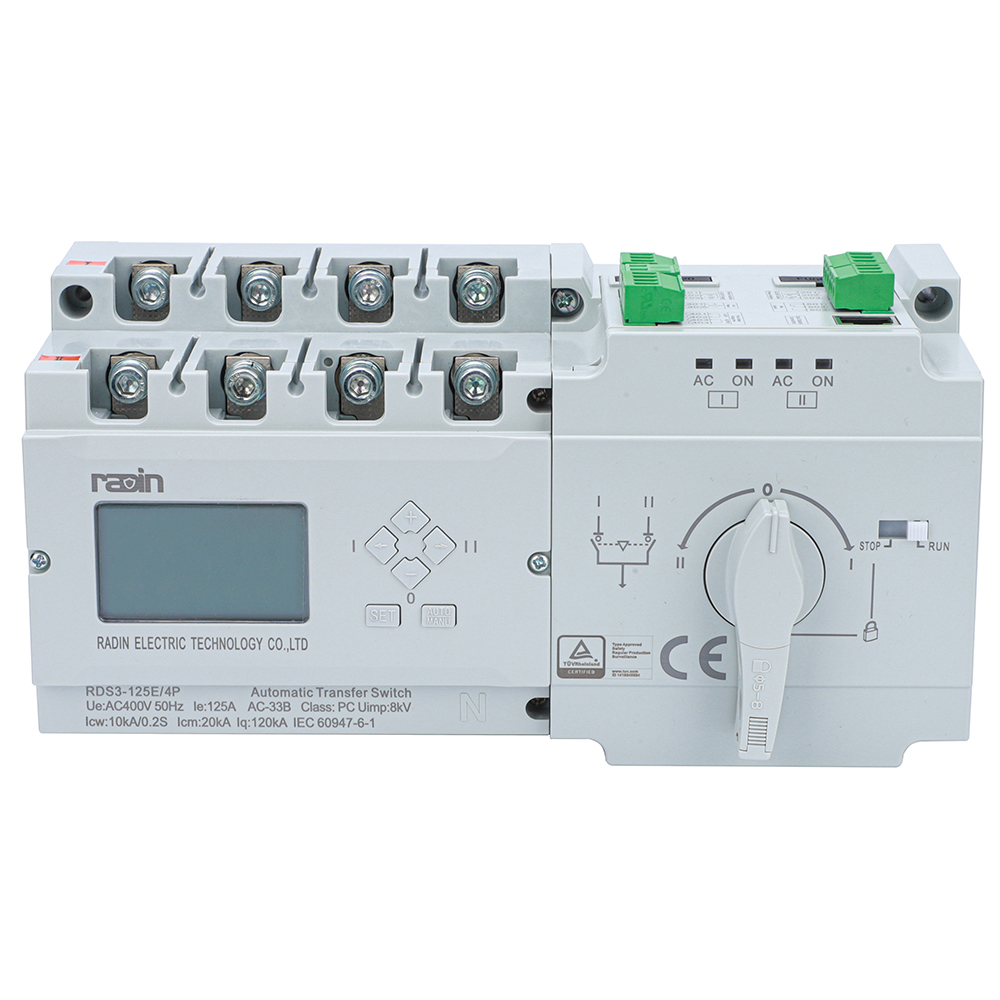
TL;DR Summary: A Motorized Automatic Transfer Switch is an essential electrical device that automatically transfers power from a primary source to a backup source during an outage. It is critical for commercial buildings and lighting systems to ensure safety, compliance, and operational continuity. Selecting the right class (such as PC-Class) and partnering with a reputable manufacturer ensures long-term reliability, rapid switching times, and robust protection against electrical faults.
To fully grasp the importance of power management in modern infrastructure, one must first understand the core mechanics of the equipment involved. A Motorized Automatic Transfer Switch is an electromechanical device that automatically transfers a power supply from its primary source (usually the utility grid) to a secondary source (such as a diesel generator or a battery energy storage system) when it detects a failure or unacceptable drop in the primary voltage.
The "motorized" aspect of this switch refers to the internal motor mechanism that physically drives the contacts from one position to another. Unlike manual transfer switches that require a human operator to physically pull a lever, or simple contactor-based switches that rely solely on magnetic coils, a motorized mechanism provides a highly reliable, high-torque, and mechanically locked transition. This ensures that the switch cannot be accidentally left in an intermediate state, preventing dangerous situations such as cross-connecting the utility grid with the generator.
The reliability of a Motorized Automatic Transfer Switch stems from its sophisticated internal architecture. The system is generally composed of three primary components:
The Intelligent Controller: This is the brain of the operation. It continuously monitors the voltage and frequency of both the normal and emergency power sources. When it detects an anomaly, it initiates the transfer protocol, sending a signal to the operating mechanism.
The Motorized Operating Mechanism: Upon receiving the signal from the controller, the heavy-duty motor engages. It forcefully and swiftly moves the main electrical contacts from the utility position to the generator position. This motorized action guarantees a clean, decisive break and make of the electrical connections.
The Switching Assembly (Contacts): These are the heavy-duty conductive materials (often silver-alloy) that physically carry the electrical load. In a high-quality Motorized Automatic Transfer Switch, these contacts are designed to withstand high inrush currents and resist arc degradation during the switching process.
Commercial buildings are complex ecosystems of interconnected electrical systems. A power outage that lasts even a few minutes can result in significant financial losses, compromised security, and severe safety hazards for occupants. The integration of a Motorized Automatic Transfer Switch is the foundational step in mitigating these risks.
In large commercial environments, power loads are categorized into critical, essential, and non-essential. The transfer switch ensures that the generator's capacity is directed immediately to the critical and essential loads. Without this automated response, building operations would grind to a halt, and the safety of thousands of occupants could be jeopardized.
Heating, Ventilation, and Air Conditioning (HVAC) systems are among the largest consumers of electricity in any commercial building. In specialized environments like data centers, hospitals, or laboratories, maintaining strict temperature and humidity control is not just about comfort; it is about preserving critical assets and human life. A Motorized Automatic Transfer Switch ensures that chillers, air handlers, and ventilation fans are brought back online sequentially and rapidly after a power failure, preventing equipment overheating and maintaining indoor air quality.
Imagine a sudden blackout in a 50-story commercial skyscraper. Elevators would halt between floors, trapping passengers in darkness. Access control systems, surveillance cameras, and fire alarm panels would go offline, leaving the building vulnerable to theft and fire hazards. By deploying a reliable Motorized Automatic Transfer Switch, building managers guarantee that emergency generators immediately take over the load for these life-safety systems. Elevators can safely descend to the ground floor to release passengers, and security networks remain fully operational, ensuring comprehensive building protection during a crisis.
Lighting is arguably the most visible and immediate indicator of a power failure. In a commercial setting, a sudden plunge into darkness can cause panic, lead to accidents, and severely disrupt evacuation procedures. The role of a Motorized Automatic Transfer Switch in managing commercial lighting systems is dictated by stringent building codes and life safety standards.
Commercial lighting systems are typically divided into general illumination and emergency egress lighting. While general lighting may be considered a non-essential load depending on the facility, emergency egress lighting is strictly regulated. Exit signs, stairwell illumination, and pathway lighting must be restored within seconds of a power failure.
Regulatory bodies such as the National Fire Protection Association (NFPA) and the National Electrical Code (NEC) mandate specific performance criteria for emergency power systems. For instance, NFPA 110 (Standard for Emergency and Standby Power Systems) requires that emergency lighting be restored within 10 seconds of a primary power failure. A high-performance Motorized Automatic Transfer Switch is engineered to meet and exceed these stringent timing requirements.
Furthermore, modern commercial buildings frequently employ smart lighting control systems that utilize DALI (Digital Addressable Lighting Interface) or PoE (Power over Ethernet). These sophisticated networks require stable, continuous power to maintain their programming and communication protocols. A Motorized Automatic Transfer Switch ensures a clean transition, protecting sensitive lighting control microprocessors from damaging voltage spikes or prolonged brownouts that could corrupt system data.
Not all transfer switches are created equal. When specifying equipment for a commercial building or a large-scale lighting project, engineers must carefully evaluate the technical specifications of the Motorized Automatic Transfer Switch to ensure it aligns with the facility's load profile and operational requirements.
Key specifications to consider include the continuous current rating (measured in Amperes), the operational voltage, the number of poles (2, 3, or 4-pole configurations), and the short-circuit withstand and closing rating (WCR). The WCR is particularly critical, as it defines the switch's ability to remain closed and intact while a downstream circuit breaker clears a massive short-circuit fault.
One of the most important distinctions in transfer switch technology is the classification between PC-Class and CB-Class devices. Understanding this difference is vital for ensuring the safety and reliability of commercial electrical systems.
Feature | PC-Class Motorized Automatic Transfer Switch | CB-Class Motorized Automatic Transfer Switch |
|---|---|---|
Primary Function | Designed specifically for load transfer. No built-in short circuit protection. | Functions as both a circuit breaker (protection) and a transfer switch. |
Switching Speed | Extremely fast, typically less than 50 milliseconds. | Slower transition due to the mechanical tripping mechanisms of breakers. |
Reliability | Higher reliability for continuous power. Contacts are mechanically locked. | Prone to nuisance tripping, which can inadvertently disconnect the load. |
Withstand Capacity | High short-circuit withstand capacity (WCR). Can endure massive faults. | Relies on tripping to clear faults; contacts may be damaged during a fault. |
Best Application | Critical life safety systems, commercial lighting, data centers. | Non-critical loads where integrated overcurrent protection is desired to save space. |
For commercial buildings and critical lighting systems, a PC-Class Motorized Automatic Transfer Switch is overwhelmingly recommended. Because it does not contain internal thermal-magnetic trip units, it will never accidentally disconnect the emergency power supply due to a temporary overload, ensuring that life-saving emergency lighting and elevators remain powered when they are needed most.
The quality, durability, and technological sophistication of your power transfer system depend entirely on the origin of the equipment. Selecting the right Motorized Automatic Transfer Switch manufacturer is a strategic decision that impacts the long-term safety and operational efficiency of a commercial building.
A premier manufacturer does more than just assemble components; they invest heavily in Research and Development (R&D) to innovate faster switching times, higher fault tolerances, and smarter digital controllers. When evaluating a manufacturer, facility managers should look for comprehensive ISO certifications, rigorous factory acceptance testing (FAT), and compliance with international standards such as IEC 60947-6-1 and UL 1008.
Furthermore, an elite manufacturer will offer tailored solutions rather than just off-the-shelf products. Commercial buildings have unique architectural and electrical layouts. Whether the project requires a delayed transition switch to accommodate large inductive motor loads (like massive HVAC chillers) or a closed-transition switch to allow seamless, zero-interruption testing with the utility grid, the manufacturer must have the engineering expertise to customize the Motorized Automatic Transfer Switch to the exact specifications of the facility.
Even the most advanced electrical equipment will fail if it is improperly installed or neglected over time. The installation of a Motorized Automatic Transfer Switch must be carried out by certified electrical contractors who understand the specific grounding, bonding, and wiring requirements of emergency power systems.
During installation, special attention must be paid to the environmental conditions of the electrical room. The switch should be housed in an appropriate NEMA-rated enclosure to protect it from dust, moisture, and extreme temperatures. Proper cable routing and torqueing of all terminal connections are critical to prevent hot spots, which can lead to catastrophic failure during a high-load transfer event.
Maintenance is not a passive activity; it requires a proactive, scheduled approach. A Motorized Automatic Transfer Switch is unique because it may sit idle for months, yet it is expected to perform flawlessly in a fraction of a second when an emergency strikes. To guarantee this readiness, routine testing is mandatory.
Weekly/Monthly No-Load Tests: The intelligent controller should be programmed to start the backup generator weekly or monthly without actually transferring the load. This ensures the generator's starter battery, fuel system, and engine are functioning correctly.
Monthly/Quarterly Load Tests: To truly verify the integrity of the Motorized Automatic Transfer Switch, a live load test must be conducted. This involves simulating a utility failure, forcing the switch to physically transfer the building's load to the generator. This exercises the motorized mechanism, wipes the electrical contacts clean of any oxidation, and proves the system can handle the actual electrical demand of the building's lighting and HVAC systems.
Annual Thermographic Inspections: Once a year, a qualified technician should perform an infrared thermographic scan of the switch's internal connections while it is under load. This non-invasive test can identify loose connections or deteriorating contacts that are generating excess heat, allowing for preventative repairs before a failure occurs.
To further clarify the role and functionality of this critical equipment, here are some of the most common questions asked by facility managers and electrical engineers regarding the Motorized Automatic Transfer Switch.
A: The transfer speed depends on the specific design and class of the switch. A high-quality PC-Class Motorized Automatic Transfer Switch can detect a power failure, signal the generator, and physically transfer the load in under 50 milliseconds once the generator reaches the correct voltage and frequency. This rapid transition is crucial for minimizing disruption to commercial lighting and sensitive electronics.
A: Yes. Safety and redundancy are paramount. Almost all commercial-grade motorized switches feature a manual override handle or mechanism. In the highly unlikely event that the digital controller or the motor itself fails, a trained facility engineer can safely and manually actuate the switch to restore power to the building.
A: An "Open Transition" switch operates on a "break-before-make" principle, meaning it completely disconnects from the utility before connecting to the generator, resulting in a brief power interruption (a flicker in the lighting). A "Closed Transition" switch operates on a "make-before-break" principle. It momentarily parallels the generator with the utility grid (usually for less than 100 milliseconds) before disconnecting the utility. This allows for seamless testing and return-to-utility transfers with absolutely zero interruption to the building's power.
A: Contactor-based switches rely on continuous electrical current running through magnetic coils to hold the contacts in place. If the coil burns out or experiences a voltage dip, the contacts can chatter or drop out. A Motorized Automatic Transfer Switch uses a motor to drive the contacts into a mechanically locked position. Once in position, it requires no electrical power to stay there, making it vastly more reliable and immune to voltage fluctuations.
A: With proper installation, regular maintenance, and routine exercising, a high-quality Motorized Automatic Transfer Switch can easily last 20 to 30 years. The longevity is largely dictated by the operating environment, the frequency of transfer events, and strict adherence to the manufacturer's maintenance guidelines.
As commercial buildings evolve into "smart buildings," the electrical infrastructure must keep pace. Modern Motorized Automatic Transfer Switch systems are no longer isolated mechanical devices; they are highly communicative nodes within a larger Building Management System (BMS).
Equipped with advanced microprocessors and communication modules (such as Modbus RTU, Ethernet, or BACnet), these switches provide real-time data to facility managers. Through a centralized dashboard, operators can monitor utility voltage, generator frequency, load currents, and the exact position of the transfer switch. Furthermore, predictive maintenance algorithms can analyze switching times and motor current draw over time. If the motorized mechanism begins to draw slightly more power to actuate, the system can flag it as a sign of mechanical wear, prompting preventative maintenance before a critical failure occurs.
This level of smart integration is particularly vital for expansive commercial lighting systems. If a power event occurs, the BMS can instantly receive a signal from the Motorized Automatic Transfer Switch and automatically dim non-essential lighting or adjust HVAC setpoints to prevent overloading the emergency generator. This intelligent load shedding maximizes the efficiency and duration of the backup power supply.
Safeguarding a commercial building against the unpredictable nature of utility power grids requires robust, reliable, and intelligent solutions. The implementation of a high-quality Motorized Automatic Transfer Switch is the definitive answer to ensuring power continuity for critical infrastructure, life safety systems, and commercial lighting networks.
To summarize, the core product advantages of investing in a premium Motorized Automatic Transfer Switch include:
Unmatched Reliability: The mechanically locked, motor-driven mechanism ensures that the switch remains securely in position, immune to voltage dips and coil failures associated with lesser technologies.
Rapid and Safe Switching: Engineered for millisecond response times, it guarantees that emergency lighting, elevators, and critical data systems experience minimal downtime, ensuring full compliance with stringent life safety codes.
Exceptional Fault Tolerance: PC-Class designs offer superior short-circuit withstand ratings, protecting the integrity of the electrical system even during severe downstream faults.
Intelligent Connectivity: Advanced digital controllers allow for seamless integration into Building Management Systems, providing real-time monitoring, remote testing capabilities, and predictive maintenance alerts.
Long-Term Durability: Built with heavy-duty silver-alloy contacts and rugged enclosures, these switches are designed to withstand decades of rigorous use in demanding commercial environments.
Ultimately, a Motorized Automatic Transfer Switch is not just a piece of electrical hardware; it is an insurance policy for your building's operations, the safety of its occupants, and the uninterrupted functionality of its lighting and environmental systems. By prioritizing quality and partnering with industry-leading experts, facility owners can achieve total peace of mind, knowing their power infrastructure is resilient, compliant, and ready for any emergency.