
- All
- Product Name
- Product Keyword
- Product Model
- Product Summary
- Product Description
- Multi Field Search
Views: 0 Author: Site Editor Publish Time: 2026-05-20 Origin: Site


Relying on backup power during an outage requires more than just a reliable generator. It demands a seamless, safe, and code-compliant isolation point to protect your facility. For commercial buildings and high-load residential properties, manually switching power is operationally unviable. Local electrical codes also heavily restrict manual interventions during grid failures. An Automatic Transfer Switch acts as the intelligent bridge between public utility lines and your private backup power.
We will break down the exact mechanical sequence involved in this automated process. You will discover various transition options available for different load sensitivities. We will also explain crucial load-sizing rules and strict compliance standards. This comprehensive breakdown equips you to evaluate and specify the correct hardware for your electrical infrastructure.
An ATS executes a closed-loop, six-step control logic—from utility monitoring to generator cooldown—without human intervention.
Sizing an ATS is dictated by the main electrical panel's amperage, not just the generator’s output capacity.
Installing an ATS is a legal requirement (NEC and UL 1008) to prevent lethal electrical backfeeding into public utility lines.
Attempting to retrofit a standard portable generator with an ATS is a costly engineering mistake; true ATS systems require standby generators with dedicated low-voltage control boards.
An intelligent transfer sequence requires precise coordination. It functions as a closed-loop system. The equipment monitors, decides, and acts instantly. You do not need to intervene. The sequence relies on a strict six-step operational logic to protect both your equipment and the utility grid.
The microprocessor acts as the brain of the system. It continuously monitors utility power voltage and frequency. It uses dedicated sensing wires, typically known as N1 and N2 lines, to track incoming power. The logic board establishes a baseline for acceptable power quality. If voltage drops or frequency shifts beyond safe parameters, the system flags a primary fault.
When utility power drops below a safe threshold, the system does not act immediately. It initiates an engine-start delay. You will often see this programmed between 3 to 10 seconds. This delay prevents nuisance starts. Momentary utility dips or automatic reclosers often cause brief power fluctuations. The delay ensures the system only responds to genuine, sustained power failures.
If the outage persists past the delay timer, the system takes action. It sends a low-voltage command to the generator control board. It typically transmits this signal via 14-gauge control wires. This command tells the engine to start immediately. The generator then cranks, ignites, and begins generating electricity independently.
The controller waits until the generator reaches optimal speed and stable voltage. It must verify the power quality before connecting your facility. Once it confirms stability, a heavy-duty switching mechanism activates. This might be a contactor, a molded case, or a large power frame. The mechanism physically shifts the load from the dead utility line to the active generator line. Power is now restored to your building.
Utility crews eventually repair the grid. Once utility power stabilizes, the sensing wires detect the restored voltage. The controller confirms the restoration holds steady for several minutes. It then smoothly switches the load back to the primary grid. Your facility resumes normal operation under public power.
The engine does not shut down immediately after retransfer. The controller signals the generator to run unloaded for a few minutes. This cooldown cycle is critical. It lowers internal temperatures safely. It specifically protects engine components and turbocharger bearings from heat damage before total shutdown.
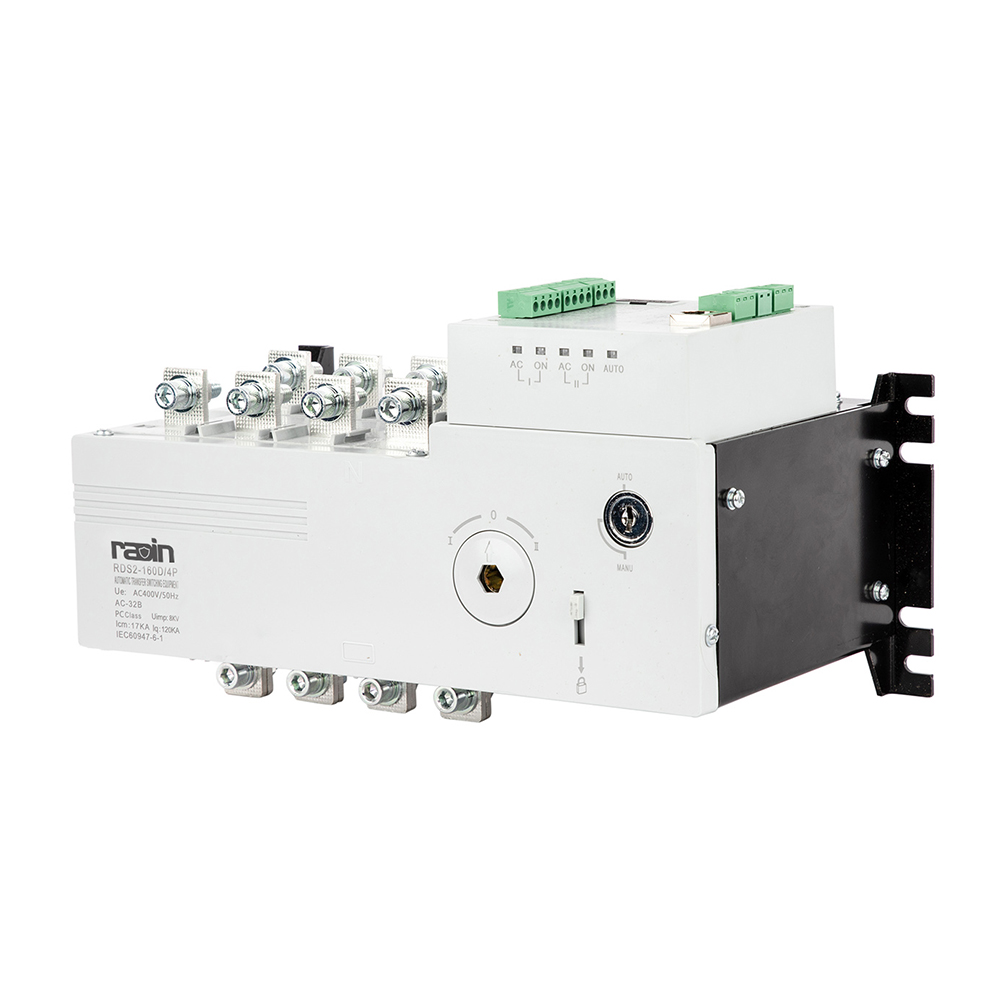
Facilities have different tolerance levels for power interruptions. Choosing the right Automatic Transfer Switch requires matching your operational needs to a specific transition mode. Standard homes can tolerate brief flickers, but hospitals cannot. Evaluate these four transition strategies based on your load sensitivity.
This mode represents the standard configuration for most residential and light commercial applications. The switch breaks connection with the utility before making a connection to the generator. It mechanically guarantees two power sources never cross. This results in a fraction-of-a-second power gap. Computers may reboot, and lights will flicker. However, it is highly reliable and legally compliant for non-critical loads.
Highly sensitive operations demand zero interruption. The switch momentarily parallels the utility and generator power. This creates a seamless bridge. You experience zero power interruption during the transfer. This evaluation criteria is mandatory for critical infrastructure. Data centers, financial institutions, and healthcare facilities rely on closed transitions to prevent catastrophic data loss or life-support failure.
Heavy industrial settings require a completely different approach. This mode holds the switch in a neutral, disconnected position for several seconds. It acts as a necessary buffer zone. Industrial plants use massive inductive loads, like large motors and pumps. A delayed transition allows these motors to spin down safely. If you reconnect them instantly, out-of-phase power creates destructive voltage surges. The delay protects your expensive machinery.
Massive commercial applications sometimes require a gentle power handover. A soft-load transition gradually shifts the electrical load using advanced voltage regulators and synchronizers. Instead of an instantaneous block load, it ramps the power up slowly. This method reduces step-load impacts on heavy machinery and prevents engine stalling. It perfectly suits ISO-compliant heavy-duty operations.
Transition Mode | Mechanical Action | Power Interruption | Best Use Case |
|---|---|---|---|
Open Transition | Break-before-make | Fraction of a second | Residential, light retail, standard commercial |
Closed Transition | Make-before-break | Zero interruption | Hospitals, data centers, critical tech |
Delayed Transition | Neutral delay (Center-off) | Seconds to minutes | Heavy manufacturing, large motor loads |
Soft-Load Transition | Gradual synchronization | Zero impact step-load | Complex industrial grids, grid-paralleling |
Electrical switching involves massive safety implications. A backup power system is inherently dangerous if installed poorly. You must prioritize safety mechanisms and strict regulatory compliance. Failing to adhere to engineering standards puts human lives and infrastructure at risk.
Unregulated power flow represents a lethal threat. Without a physical isolation barrier, generator power flows backward into the utility grid. We call this phenomenon backfeeding. A proper unit uses a strict "LINE-OFF-GENERATOR" mechanical design. It makes simultaneous connection impossible. If a system backfeeds during an outage, it sends high voltage through downed power lines. This creates a lethal hazard to utility linemen actively repairing those wires. Physical isolation is non-negotiable.
You cannot use unverified equipment in your electrical panel. Specify equipment strictly adhering to UL 1008 standards. This certification guarantees the device handles massive short-circuit currents safely. Furthermore, installation must comply with National Electrical Code (NEC) guidelines. Emergency systems must follow NEC 700 or NEC 701, which govern legally required standby power. If you install an optional system for a commercial building, you must follow NEC 702. These codes dictate wiring methods, testing regimens, and safety clearances.
Safety extends beyond electrical hazards. Carbon monoxide poisoning spikes during winter storms and hurricanes. Property owners often mistakenly route portable generator cables through open doors or windows. Automating the transfer safely eliminates this need. You keep all connections hardwired and sealed indoors. This reinforces best practices for keeping exhaust-producing engines far away from building entry points. You protect building occupants while maintaining uninterrupted electricity.
Procuring backup power hardware involves precise mathematics. Guesswork leads to catastrophic failures or code violations. Facility managers and homeowners frequently fall into several well-documented traps. Avoid these common mistakes before finalizing any purchase order.
A very common procurement error involves attempting to automate a standard portable generator. This simply does not work. Portable units lack internal control boards. They also lack the necessary 120V start/stop communication ports. Some users try to patch this gap using aftermarket relays and contactors. This compromises system reliability and blatantly violates electrical codes. A fully automated setup mandates a true Standby Generator designed specifically for low-voltage signaling.
You cannot size your hardware based solely on the generator's output. This is a dangerous misconception. Manual switches often match the generator's exact outlet rating, like 30 Amps. However, a whole-facility automated system must match the amperage of the main distribution panel. If you have a 400A main panel, you absolutely require a 400A switch. It must safely handle the entire utility-side load during normal grid operation, regardless of your generator's size.
Location dictates the required rating. You must know exactly where the unit will reside on the electrical line. If you install it directly between the utility meter and the main distribution panel, it requires a specific certification. Ensure you specify a "Service Entrance Rated" model. This rating means the unit includes a built-in main disconnect breaker. It provides legally required overload protection for the entire facility. A non-service entrance unit lacks this breaker and relies on upstream protection.
Verify your generator has a compatible low-voltage control board.
Check the main breaker amperage on your facility's electrical panel.
Determine if the installation point requires a Service Entrance rating.
Consult a licensed electrician to verify local municipal codes.
Not all equipment offers the same reliability. When building a resilient power infrastructure, the source of your hardware matters deeply. A reliable Automatic Transfer Switch manufacturer focuses on stringent testing, durable components, and seamless integration.
A mixed-brand electrical system often suffers from communication failures. Top-tier manufacturers engineer switches that communicate natively with specific generator control boards. This seamless interoperability reduces integration friction. It eliminates complicated relay wiring. By using natively compatible components, you dramatically reduce long-term failure points. The system simply speaks the same digital language.
You must evaluate the physical switching mechanism. Economy models typically use a Contactor type mechanism. This works perfectly for residential and light commercial loads. However, heavy industrial applications require serious hardware. You should look for a Power Frame type mechanism if you need to handle up to 5,000 amps. These robust frames resist severe arc flashes and handle massive fault currents without melting.
Your facility needs to test its backup systems regularly. Look for integrated exercise cycles. These cycles simulate outages automatically, keeping engine components lubricated. For critical facilities, you must demand bypass isolation capabilities. A bypass isolation system features two parallel mechanisms. You can isolate and physically extract the primary unit for routine maintenance. The bypass path keeps power flowing to critical loads without any interruption.
Hardware inevitably requires servicing. You must factor in the availability of licensed technicians in your region. Ensure you can maintain the system using a dedicated Automatic Transfer Switch warranty and support program. Look for brands authorizing local technicians to perform warranty repairs on both the switch and the generator system. A fractured support network leaves you vulnerable during prolonged outages.
An automated switching system is never a standalone accessory. It acts as the central nervous system of your entire backup power infrastructure. Strict sizing rules, transition requirements, and rigorous safety codes govern its installation. Understanding these dynamics protects your facility from lethal backfeeding and catastrophic equipment damage.
Before you finalize your procurement, take deliberate action. Conduct a thorough load calculation alongside a licensed commercial electrician. Determine your exact panel amperage to prevent undersizing. Decide whether an open, closed, or delayed transition best serves your specific operational loads. Finally, verify whether your installation point demands a Service Entrance rating. Proper planning ensures seamless power restoration when the grid inevitably fails.
A: No. Installing this equipment requires interacting with the utility main and high-voltage electrical lines. It presents a lethal shock hazard. The process mandates a licensed electrician. They ensure strict NEC compliance, secure municipal permits, and validate your system warranties. DIY installation violates safety codes and voids equipment guarantees.
A: Most units feature a manual override handle or a mechanical indicator window. Directional orientation varies by manufacturer and amp rating. For example, standard 100A switches may indicate utility connection when the handle points up. Conversely, specific 50A models might use a reverse mechanical design. Always check the printed label.
A: A properly specified system features integrated breakers or relies on downstream panel breakers. These breakers will safely trip to protect the internal wiring from melting. High-end electrical systems utilize intelligent load-shedding modules. These modules monitor capacity and drop non-critical circuits automatically, preventing the generator engine from stalling.