
- All
- Product Name
- Product Keyword
- Product Model
- Product Summary
- Product Description
- Multi Field Search
Views: 0 Author: Site Editor Publish Time: 2026-06-25 Origin: Site


TL;DR: In modern data centers, achieving 99.999% uptime requires instantaneous power transfer during utility outages. A solenoid-driven mechanism provides millisecond-level switching speeds, far surpassing traditional motor-driven alternatives. This comprehensive guide explores the mechanics, standards, and strategic implementation of these critical power components to ensure uninterrupted data center operations.
In the era of cloud computing, artificial intelligence, and big data, data centers serve as the central nervous system of the global digital economy. The most critical metric for any data center facility is uptime. Even a momentary lapse in electrical power can result in catastrophic data loss, hardware damage, and millions of dollars in financial repercussions. To mitigate these risks, facilities employ highly sophisticated power redundancy architectures. At the very heart of these architectures lies the mechanism responsible for transitioning the electrical load from a failing primary utility feed to a secondary backup source, such as a diesel generator. This is where the Solenoid Type Automatic Transfer Switch becomes an absolute necessity. Unlike slower, conventional switching methods, this specific technology utilizes electromagnetic force to achieve near-instantaneous transfer speeds, ensuring that Uninterruptible Power Supply (UPS) systems are not depleted and critical IT loads remain online without interruption.
Understanding the intricate technical details, operational mechanics, and strategic advantages of this equipment is essential for electrical engineers, facility managers, and data center architects. This deep-dive analysis will explore every facet of this technology, comparing it against alternative designs, detailing installation best practices, and explaining why selecting the right components dictates the overall resilience of a mission-critical facility.
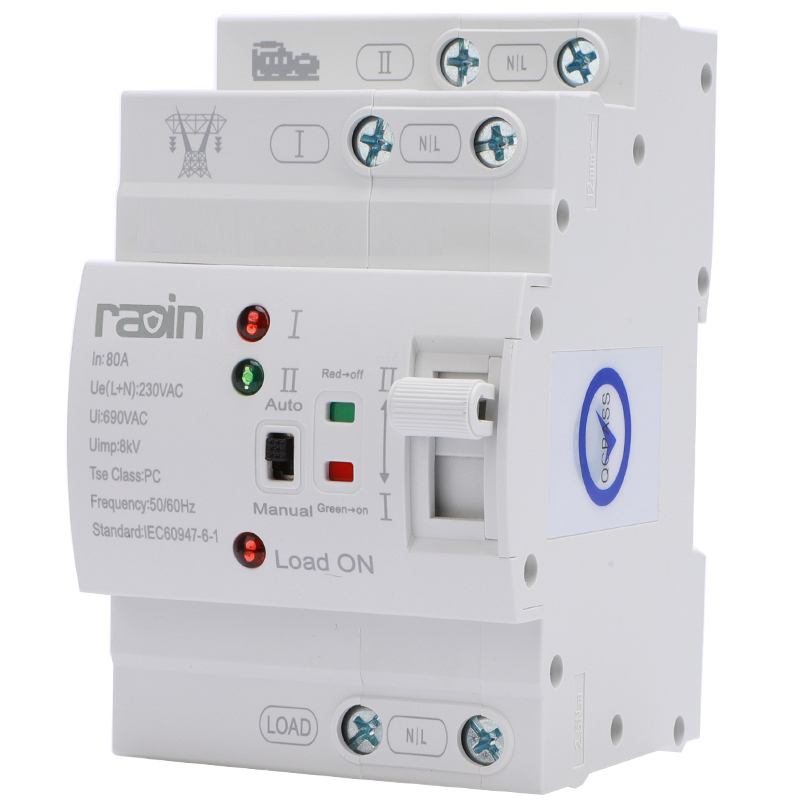
Figure 1: High-performance PC-Class transfer switch engineered for mission-critical applications.
Data centers are typically classified by the Uptime Institute into Tiers (I through IV), with Tier III and Tier IV requiring concurrent maintainability and fault tolerance. To achieve these high standards, the power distribution path must be completely robust. When the primary grid fails, the facility relies on its UPS batteries to carry the IT load for a brief window—usually ranging from 5 to 15 minutes. However, the backup generators must start, stabilize, and take over the load well before the UPS batteries are exhausted. The bridge between the utility power and the generator power is managed by the transfer switch.
The speed and reliability of this transition are paramount. If the switch hesitates, jams, or takes too long to operate, the UPS batteries may drain completely, leading to a total facility blackout. A solenoid-driven mechanism is specifically designed to eliminate this risk. By utilizing a powerful electromagnetic coil, it generates an instantaneous, high-velocity force that physically moves the electrical contacts from one power source to the other in a fraction of a second. This rapid action minimizes the duration the UPS has to operate on battery power, preserving battery life and reducing thermal stress on the UPS inverters.
To truly appreciate the performance of this equipment, one must understand the physics of its operation. Traditional transfer switches often rely on electric motors and complex gear trains to move the contacts. While effective for less critical applications, motors take time to spin up, and gears introduce friction and mechanical delay. In contrast, a solenoid mechanism operates on the principle of electromagnetism.
When a control signal dictates a transfer, an electrical current is pulsed through a heavy-duty copper coil. This creates a massive, instantaneous magnetic field that violently pulls or pushes a central armature (the plunger). Because there are no gears to turn or motors to spool up, the kinetic energy is transferred directly to the switching contacts. The entire process—from the detection of the voltage drop to the closing of the emergency contacts—can occur in less than 50 milliseconds. Furthermore, the simplicity of the solenoid design means there are fewer moving parts. Fewer moving parts equate to a drastically reduced probability of mechanical failure, which is exactly why this design is mandated in Tier IV data center specifications.
In the realm of electrical engineering, transfer switches are generally divided into two main categories based on the IEC 60947-6-1 standard: CB-Class and PC-Class.
CB-Class (Circuit Breaker Class): These are constructed using two molded case circuit breakers (MCCBs) or air circuit breakers (ACBs) coupled with a mechanical interlock. While they offer short-circuit protection, they are inherently slower because the internal tripping mechanisms of the breakers add mechanical overhead.
PC-Class (Power Contactor Class): These are purpose-built devices designed solely for transferring power. They do not have built-in overcurrent release mechanisms (meaning they won't trip open during a fault). Instead, they are designed to withstand massive short-circuit currents (High Icw rating) while remaining closed, allowing upstream breakers to clear the fault.
For data centers, the PC-Class is the gold standard. When you combine a PC-Class architecture with a solenoid driving mechanism, you achieve the ultimate in power transfer reliability. The switch will not accidentally trip open during a transient power surge, and when it needs to transfer, it does so with explosive speed and precision. The robust contact design ensures that even under heavy inductive or capacitive IT loads, the arcing is minimized and extinguished rapidly in specialized arc chutes.
To make informed procurement and engineering decisions, it is vital to compare the solenoid technology directly against its primary alternative: the motor-driven transfer switch. While motor-driven switches are common in commercial real estate and light industrial applications, their limitations become apparent in mission-critical environments.
Feature / Specification | Motor-Driven Mechanism | Solenoid-Driven Mechanism |
|---|---|---|
Transfer Speed | Slower (Typically 1.5 to 3 seconds) | Ultra-Fast (Typically under 50 milliseconds) |
Mechanical Complexity | High (Gears, cams, motors, microswitches) | Low (Electromagnetic coil, plunger, direct linkage) |
Reliability / MTBF | Moderate (More points of potential failure) | Extremely High (Fewer moving parts) |
Contact Wear | Higher (Slower make/break increases arcing time) | Lower (Instantaneous make/break minimizes arcing) |
Data Center Suitability | Suitable for non-critical cooling or auxiliary loads | Mandatory for critical IT loads and UPS inputs |
As the table illustrates, the solenoid design dominates in speed, reliability, and longevity. The instantaneous switching not only protects the IT equipment but also drastically extends the life of the electrical contacts by preventing prolonged electrical arcing during the transfer phase. This is particularly crucial when dealing with the massive amperages (often exceeding 3000A or 4000A) found in modern hyperscale data centers.
When electrical contacts separate under load, the electricity attempts to jump the gap, creating a plasma arc that can reach temperatures hotter than the surface of the sun. If not managed, this arc will vaporize the silver-tungsten contacts and potentially cause a catastrophic fire. Solenoid-driven switches handle this through two primary methods: speed and arc chutes.
First, the sheer velocity of the solenoid mechanism pulls the contacts apart so rapidly that the arc is stretched and broken almost instantly. Second, the switch is equipped with advanced arc chutes—a series of metallic plates that draw the arc in, split it into smaller, manageable segments, and cool it down until it extinguishes. The combination of high-speed solenoid action and advanced arc chute geometry ensures that the switch can safely transfer power even under full load conditions without degrading the equipment.
The technology is only as good as the engineering and quality control behind it. When designing a data center power architecture, selecting the right vendor is just as critical as selecting the right technology. A reputable Solenoid Type Automatic Transfer Switch manufacturer will provide not just a product, but a comprehensive power solution backed by rigorous testing and international certifications.
When evaluating manufacturers, data center operators should look for several key indicators of quality:
Stringent Testing Protocols: The manufacturer must subject their switches to severe environmental and electrical testing. This includes high-cycle endurance testing, short-circuit withstand tests, and temperature rise tests under full load.
International Certifications: Look for compliance with IEC 60947-6-1, UL 1008, CE, and CCC. UL 1008, in particular, is known as the most rigorous standard for transfer switches globally.
Customization Capabilities: Data centers are not one-size-fits-all. A top-tier manufacturer will offer customizable intelligent controllers that can integrate seamlessly with the facility's Building Management System (BMS) via Modbus, RS485, or Ethernet protocols.
Material Quality: The use of high-grade silver alloy for contacts, premium copper for the solenoid coils, and flame-retardant, high-impact plastics for the housing are non-negotiable for mission-critical applications.
Modern transfer switches are no longer just mechanical devices; they are intelligent nodes within the data center's IoT ecosystem. The microprocessor-based controller attached to the solenoid switch constantly monitors the voltage, frequency, and phase sequence of both the utility and generator power. If it detects a sag, swell, or complete loss of power, it initiates the transfer sequence based on pre-programmed logic.
Furthermore, these controllers allow facility managers to set specific time delays. For example, a "Time Delay Engine Start" (TDES) prevents the generator from starting during a momentary power flicker, saving fuel and reducing wear. A "Time Delay Neutral" (TDN) allows residual voltage from large motors (like CRAC units) to decay before connecting to the new power source, preventing out-of-phase switching that could shear mechanical shafts or trip breakers. Partnering with an advanced manufacturer ensures access to these sophisticated control algorithms.
Even the most perfectly engineered equipment will fail if it is improperly installed or neglected. The installation of high-amperage transfer switches must be executed by certified electrical contractors following strict guidelines.
During installation, several critical factors must be addressed:
Torque Specifications: All busbar and cable connections must be torqued to the manufacturer's exact specifications using calibrated tools. Loose connections will cause increased electrical resistance, leading to severe heat buildup and potential fire hazards.
Environmental Controls: While robust, these switches should be installed in clean, dry, and temperature-controlled electrical rooms. High humidity or corrosive airborne particles can degrade the copper coils and silver contacts over time.
Cable Routing: Proper bending radii for heavy-gauge cables must be maintained to prevent undue mechanical stress on the switch terminals.
To guarantee 99.999% uptime, a rigorous preventative maintenance schedule is mandatory. Data center operators should implement the following routines:
Monthly Visual Inspections: Check for any signs of discoloration, dust accumulation, or unusual odors (which could indicate overheating components).
Quarterly Thermal Imaging: Under full IT load, use an infrared thermography camera to scan the switch connections. Hot spots are early indicators of loose connections or failing contacts and can be addressed before a catastrophic failure occurs.
Bi-Annual Operational Testing: Conduct a live transfer test. This not only exercises the solenoid mechanism, keeping it free from mechanical binding, but also verifies the logic of the intelligent controller and the readiness of the backup generator.
Annual Deep Cleaning and Lubrication: De-energize the switch entirely, vacuum out any particulate matter, inspect the arc chutes for excessive carbon buildup, and apply manufacturer-approved dielectric lubricants to the mechanical linkages.
A: With proper environmental controls and adherence to a strict preventative maintenance schedule, a high-quality PC-Class solenoid switch can easily exceed a lifespan of 15 to 20 years. Their low mechanical complexity inherently reduces wear and tear compared to motor-driven alternatives.
A: Yes, provided it is equipped with an advanced controller. The controller can be programmed for an "in-phase monitor" which waits until the utility and generator sine waves are synchronized before firing the solenoid, or it can utilize a delayed transition (Open Transition) to allow residual voltages to decay safely.
A: The mechanical interlock is a fail-safe physical barrier. Even if the electronic controller suffers a catastrophic failure or a software glitch and attempts to close both the utility and generator contacts simultaneously, the mechanical interlock physically prevents this from happening, ensuring that the two power sources never backfeed into each other.
A: Yes. Industry standards require that these switches feature a manual override handle. In the event of a complete control circuit failure, facility personnel can safely insert the handle and manually actuate the mechanism to transfer the power.
Why Data Centers Choose Solenoid Technology:
Millisecond Transfer Speeds: Electromagnetic actuation ensures power transitions occur in under 50ms, drastically reducing the burden on UPS batteries and preventing IT load drops.
Unmatched Reliability: The simplified mechanical design (fewer moving parts, no gears or motors) inherently lowers the risk of mechanical failure, maximizing MTBF (Mean Time Between Failures).
True PC-Class Architecture: Designed specifically for power transfer without internal tripping mechanisms, allowing the switch to withstand massive short-circuit currents without opening.
Superior Arc Suppression: The high-velocity separation of contacts combined with advanced arc chutes minimizes electrical arcing, extending the lifespan of the silver-alloy contacts.
Fail-Safe Security: Robust physical mechanical interlocks guarantee that utility and generator power can never cross-connect, ensuring absolute safety for the facility and personnel.
Intelligent BMS Integration: State-of-the-art microprocessor controllers provide real-time monitoring, customizable delay settings, and seamless integration into modern data center infrastructure management systems.