
- All
- Product Name
- Product Keyword
- Product Model
- Product Summary
- Product Description
- Multi Field Search
Views: 0 Author: Site Editor Publish Time: 2026-06-30 Origin: Site


TL;DR: In an era where uninterrupted electricity is non-negotiable for both modern household convenience and critical safety systems, a dual power supply setup is becoming standard. At the heart of this setup is a vital component that ensures a seamless transition between the main grid and backup power sources. This comprehensive guide explores the mechanics, benefits, installation procedures, and maintenance of these critical devices, helping homeowners make informed decisions to safeguard their power continuity.
Modern households are increasingly dependent on a continuous supply of electricity. From smart home automation systems and security networks to essential medical equipment and home office setups, even a momentary power outage can cause significant disruption, data loss, or safety hazards. To combat the unpredictability of the main electrical grid, many homeowners are investing in dual power supply systems, typically combining the utility grid with a backup generator, solar inverter, or battery storage system. However, having two power sources is only half the solution; managing the transition between them safely and efficiently is where the true challenge lies.
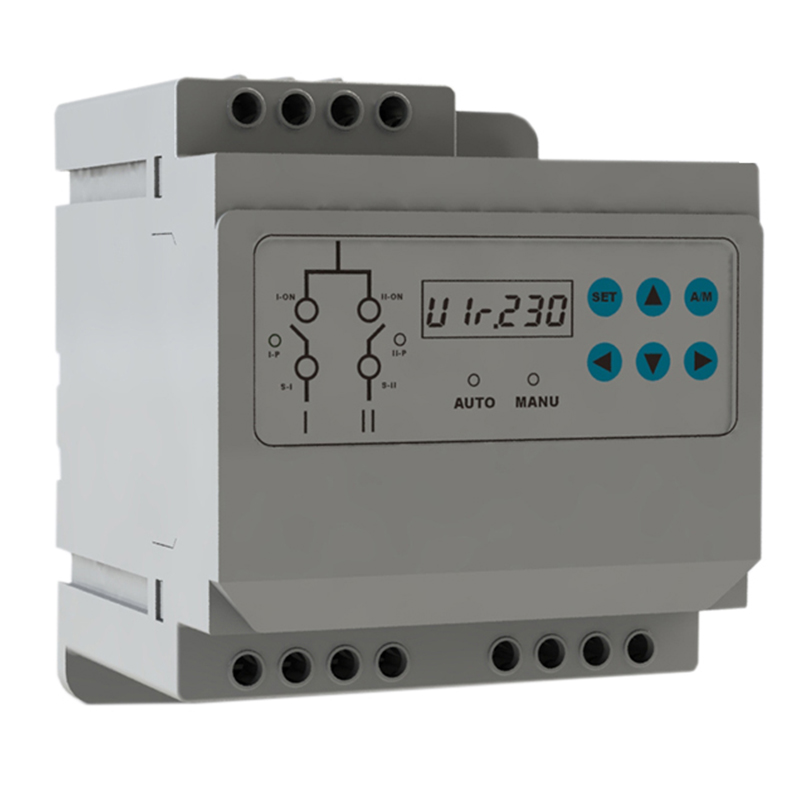
High-performance Automatic Changeover Switch designed for household dual power systems.
An Automatic Changeover Switch (commonly referred to as an ATS) is an intelligent electrical switch that automatically transfers power supply from its primary source to a backup source when it detects a failure or unacceptable drop in voltage in the primary source. Once the primary power is restored and stabilized, the switch automatically transfers the load back. This entire process happens in a fraction of a second, often without the homeowner even noticing that a power outage has occurred.
In a household context, the primary source is usually the municipal utility grid, while the secondary source could be a standby diesel or natural gas generator, a solar power battery bank, or a secondary utility line. The primary function of this device is to prevent the two power sources from ever feeding the household electrical panel simultaneously, a dangerous scenario known as "backfeeding," which can cause catastrophic damage to the home's electrical system, destroy the backup generator, and pose lethal risks to utility workers trying to repair the grid.
To truly appreciate the value of this technology, it is essential to understand how it operates on a technical level. The core mechanism involves sophisticated microprocessors and voltage sensing relays. These sensors continuously monitor the electrical parameters (voltage and frequency) of the primary power source. When the voltage drops below a pre-defined threshold—often referred to as a "brownout"—or fails completely, the logic controller initiates a sequence of events.
First, if the backup source is a standby generator, the switch sends a signal to start the generator engine. It then waits for the generator to reach the correct operating voltage and frequency. Once the backup power is stable, the switch physically breaks the connection to the utility grid and makes the connection to the generator line. This "break-before-make" mechanism is a fundamental safety feature. The physical transfer is typically driven by a robust motorized mechanism or a heavy-duty solenoid, ensuring a fast and reliable connection that can handle the high electrical loads of a modern household.
The necessity of this device goes far beyond mere convenience. In today's interconnected world, the implications of a power outage are severe. For individuals working from home, a sudden loss of power means dropped video calls, lost unsaved work, and disconnected routers. For families with elderly members or individuals relying on home medical equipment such as oxygen concentrators or CPAP machines, continuous power is literally a matter of life and death.
Furthermore, modern homes are equipped with sensitive electronics and smart home hubs. Sudden power losses and the subsequent surges when power is restored can degrade the lifespan of these expensive devices. An automated switching system ensures that the power transition is handled smoothly, often incorporating surge protection and current limiting features to shield the home's infrastructure. Additionally, in regions prone to extreme weather—such as hurricanes, blizzards, or heatwaves—maintaining power for HVAC systems, sump pumps, and refrigerators is critical for preventing property damage and ensuring habitability.
Not all switching devices are created equal. When integrating a dual power supply into a residential setting, selecting a device with the right features is paramount for ensuring long-term reliability and safety. High-quality models are engineered to handle the specific demands of residential electrical loads, which can fluctuate wildly depending on the appliances in use.
One of the most critical features is the speed and seamlessness of the transition. While industrial applications might require closed-transition switches (where there is zero interruption), residential applications typically use open-transition switches. However, advanced models minimize this interruption time to mere milliseconds. This rapid response ensures that most household electronics, including desktop computers and digital clocks, do not reset during the switchover. The logic controllers in these premium devices are also programmable, allowing homeowners or installers to set specific time delays. For example, a delay can be set before switching back to the grid to ensure the utility power is completely stable, preventing the system from oscillating rapidly between sources during a fluctuating grid event.
Safety is the cornerstone of any electrical installation. Top-tier devices incorporate multiple layers of protection. Mechanical interlocking is a physical safeguard that makes it mechanically impossible for both the utility and generator contacts to be closed at the same time. This is often backed up by electrical interlocking for redundancy.
Moreover, advanced models feature built-in current limiters and overcurrent protection. If a short circuit occurs within the household wiring, the switch can isolate the fault, preventing damage to the backup generator or the switch itself. Fire-resistant enclosures, typically made from high-grade polycarbonate or metal, ensure that even in the event of a catastrophic internal failure, the risk of a house fire is mitigated. Some modern switches also offer manual override capabilities, allowing the homeowner to manually switch the power source using a safe, insulated handle in case the automated logic board fails.
The reliability of your home's backup power system relies heavily on the quality of the components used. Therefore, selecting the right Automatic Changeover Switch manufacturer is a critical step in the planning process. A reputable manufacturer does not just assemble parts; they invest heavily in research, development, and rigorous testing to ensure their products perform flawlessly under the most demanding conditions.
When evaluating a manufacturer, the first aspect to look at is their adherence to international electrical standards. Products should carry certifications from recognized bodies such as the International Electrotechnical Commission (IEC), Underwriters Laboratories (UL), or the CE mark in Europe. These certifications guarantee that the device has been independently tested for safety, durability, and performance.
A leading manufacturer will have state-of-the-art testing facilities where switches are subjected to thousands of mechanical operations under full electrical load to simulate years of use. They also test for environmental resilience, ensuring the switch operates correctly in extreme temperatures, high humidity, and even dusty environments. Transparency regarding these testing protocols and the materials used—such as silver-alloy contacts for superior conductivity and arc resistance—is a strong indicator of a manufacturer's commitment to quality.
Every household's electrical setup is unique. A small suburban home with a portable backup generator has different requirements than a large estate with a fully integrated solar-plus-storage system and a standby diesel generator. A top-tier manufacturer understands this and offers a diverse portfolio of solutions. They provide switches with varying amperage ratings (e.g., 63A, 100A, 200A, up to 400A for large homes), different pole configurations (2-pole for single-phase, 4-pole for three-phase systems), and various enclosure types for indoor or outdoor installation.
Furthermore, excellent manufacturers provide robust technical support and comprehensive documentation. This includes detailed wiring diagrams, installation manuals, and responsive customer service to assist electricians during the installation process. Some forward-thinking manufacturers are also integrating IoT (Internet of Things) capabilities into their products, allowing homeowners to monitor the status of their power supply, track energy usage, and receive alerts on their smartphones.
Purchasing a high-quality device is only the first step; proper installation and ongoing maintenance are crucial for ensuring the system functions correctly when an emergency strikes. It cannot be stressed enough that installing these devices is not a DIY project for the average homeowner. It involves working with high-voltage main lines, and improper installation can result in fatal electrocution, severe fire hazards, and the voiding of home insurance policies.
The installation process begins with a thorough assessment by a licensed and certified electrician. The electrician will perform a load calculation to determine the total electrical demand of the household. This calculation is vital for sizing both the backup generator and the switch itself. If the switch is undersized, it will overheat and trip or fail under load. If it is oversized, it may be an unnecessary expense.
Once the sizing is determined, the electrician will decide on the optimal location for the switch. It is typically installed between the utility meter and the main electrical breaker panel, or as a sub-panel configuration if only specific "critical loads" (like the fridge, well pump, and a few lights) are to be powered by the backup source. The wiring process involves routing the main utility feed into the switch, routing the generator feed into the switch, and then connecting the output of the switch to the home's electrical panel. Control wires must also be run between the switch and the generator to handle the automatic start/stop signals.
Like any mechanical and electrical device, these switches require periodic maintenance to ensure they remain in peak operating condition. While the solid-state electronics are generally maintenance-free, the mechanical contacts and moving parts need attention. Homeowners should schedule an annual inspection with a qualified technician.
During a maintenance visit, the technician will typically perform a visual inspection for any signs of overheating, such as discolored wires or a burning smell. They will check all terminal connections and tighten any loose lugs, as thermal expansion and contraction can cause connections to loosen over time. The enclosure should be cleaned of any dust, cobwebs, or debris that could interfere with the mechanical parts. Most importantly, the technician will perform a simulated power outage to test the entire system under load. This ensures that the voltage sensors are accurate, the generator starts promptly, the switch transfers the load smoothly, and the system correctly returns to utility power when it is restored.
A: A manual switch requires human intervention. When the power goes out, you must physically walk to the switch and pull a lever to change the power source from the grid to the generator. An automatic switch uses electronic sensors to detect power loss and automatically signals the generator to start and transfers the load without any human input, providing seamless convenience, especially if you are not home during the outage.
A: Yes, absolutely. Many modern homes use these switches to toggle between the municipal grid and a solar battery storage system. Advanced models can be programmed to prioritize solar power, only switching to the grid when the battery levels drop below a certain threshold, thereby maximizing energy savings and reducing reliance on fossil fuels.
A: The physical transfer of the switch contacts usually takes less than 50 milliseconds. However, the total time from the moment the grid fails to the moment your home has power again depends on your backup source. If you are using a battery system, the transition is nearly instantaneous. If you are using a standby generator, it typically takes 10 to 30 seconds for the generator engine to start, stabilize, and accept the load.
A: No. The internal electronics and voltage sensors consume a very negligible amount of power (usually just a few watts) to continuously monitor the grid. Energy is only significantly used during the brief moment the motorized mechanism or solenoid activates to physically move the contacts.
A: Yes, provided you purchase a model with the correct NEMA (National Electrical Manufacturers Association) or IP (Ingress Protection) rating. For outdoor installations, the switch must be housed in a weather-resistant enclosure (such as NEMA 3R or IP65) that protects the internal components from rain, snow, ice, and dust.
Investing in a robust dual power supply system is one of the smartest decisions a homeowner can make to ensure safety, comfort, and peace of mind. The heart of this system is the switching mechanism, and choosing a premium product yields significant long-term benefits. Here is a summary of the core advantages of integrating our top-tier switching solutions into your home:
Uninterrupted Lifestyle: Protect your family from the inconvenience and dangers of prolonged power outages. Keep your HVAC, security systems, refrigerators, and medical devices running seamlessly.
Ultimate Safety: With advanced mechanical and electrical interlocking, current limiters, and overvoltage protection, our products completely eliminate the risk of backfeeding, protecting your home's wiring and utility workers.
Hands-Free Convenience: The intelligent microprocessor handles the entire transition process. Whether you are asleep, at work, or on vacation, your home remains powered and protected automatically.
Exceptional Durability: Manufactured with high-grade, fire-resistant materials and silver-alloy contacts, our switches are rigorously tested to withstand thousands of cycles and extreme environmental conditions, ensuring decades of reliable service.
Versatile Integration: Designed to work flawlessly with a wide range of backup power sources, including standby diesel/gas generators and modern solar-plus-battery storage systems, providing future-proof energy management for your household.
Don't leave your home's power security to chance. Upgrade your electrical infrastructure with a reliable, intelligent switching solution today and experience true energy independence.