
- All
- Product Name
- Product Keyword
- Product Model
- Product Summary
- Product Description
- Multi Field Search
Views: 0 Author: Site Editor Publish Time: 2025-11-13 Origin: Site


Have you ever wondered how electrical systems stay safe during maintenance? An isolator switch plays a vital role in keeping technicians safe while working on live circuits.
In this article, we will explain how an isolator switch works and its significance in protecting both personnel and equipment. You'll also learn the differences between isolator switches and load breaker switches and why understanding their function is essential for electrical safety.
An isolator switch operates by physically separating the electrical contacts within a circuit. When the switch is in the "off" position, the contacts are separated, effectively stopping the flow of electrical current. This break ensures that the circuit is de-energized, allowing technicians to work safely on the electrical system.
Isolator switches are typically manual devices, requiring a person to operate the switch. This manual action ensures that technicians are fully aware of the electrical status of the circuit before beginning any work.
The switch works by pulling apart contacts that complete the electrical circuit. Once these contacts are separated, the circuit becomes open, and no current can pass through. This break prevents any accidental flow of electricity, making it safe to perform maintenance or repairs.
While both isolator switches and load breaker switches serve to disconnect electrical circuits, there is a key difference in functionality.
● Isolator Switch: Primarily designed for disconnecting power during maintenance or when no current is flowing through the circuit.
● Load Breaker Switch: Unlike an isolator switch, a load breaker switch can handle the interruption of current flow even when the circuit is under load (i.e., current is flowing through the circuit). It’s often used in systems where circuits need to be disconnected while still operating.
Tip: Always ensure you select the appropriate type of switch based on whether the circuit is under load or not. Using the wrong type could lead to safety hazards or equipment damage.
Manual isolator switches are the most common and straightforward type. These switches require human intervention to operate, usually through a lever or rotary handle. They are ideal for residential, commercial, and industrial applications where a simple, reliable method to disconnect power is required.
These isolator switches can operate autonomously, often triggered by specific conditions such as faults or alarms. They are especially useful in complex systems, such as industrial machinery or power grids, where continuous supervision may not always be available.
Load isolator switches are specifically designed for circuits that operate under load. These switches are capable of safely disconnecting power even when the equipment is in operation. Load isolator switches are typically found in industrial environments and heavy-duty applications where high-power systems need isolation without interrupting operations.
● High Voltage Isolator Switches: Designed to handle systems with voltage levels above 1000V, commonly used in power distribution networks, substations, and large industrial equipment.
● Low Voltage Isolator Switches: Typically found in residential and commercial electrical systems where voltage levels are under 1000V.

The primary benefit of using an isolator switch is enhanced safety. By ensuring that a circuit is fully disconnected from the power supply, these switches protect workers from electrical shocks during maintenance or repairs. Isolator switches are particularly useful in hazardous environments, such as wet or damp conditions, where the risk of electrocution is higher.
Isolator switches help in safeguarding both the electrical system and the personnel working on it. By isolating a part of the system, these switches prevent potential damage to equipment caused by electrical faults or surges. They also ensure that workers can carry out their tasks without the constant risk of electrical exposure.
When used properly, isolator switches help reduce energy waste by cutting off unnecessary power supply to certain areas of the system. This can prevent power surges that would otherwise damage equipment and result in costly repairs. By ensuring equipment is only powered when necessary, isolator switches also help lower operational costs and improve energy efficiency.
Installing an isolator switch requires careful consideration of the system’s power ratings and the switch's location. It should be placed in an easily accessible spot, allowing for quick operation during emergencies.
1. Location: Ensure the switch is located where it can be easily reached for operation.
2. Power Ratings: Match the switch’s voltage and current ratings to the electrical system.
3. Wiring: Follow proper wiring guidelines to ensure the switch functions correctly and safely.
To ensure that isolator switches continue to operate safely and reliably, regular maintenance is essential. This includes visual inspections for any signs of wear, corrosion, or damage. It’s also important to test the switch periodically to verify it functions properly.
Testing the switch involves ensuring that it moves smoothly and securely disconnects the circuit. This can be done by turning the switch off and using a voltage tester to ensure there’s no current flowing. Make sure the switch locks securely in the off position to prevent accidental reconnection.
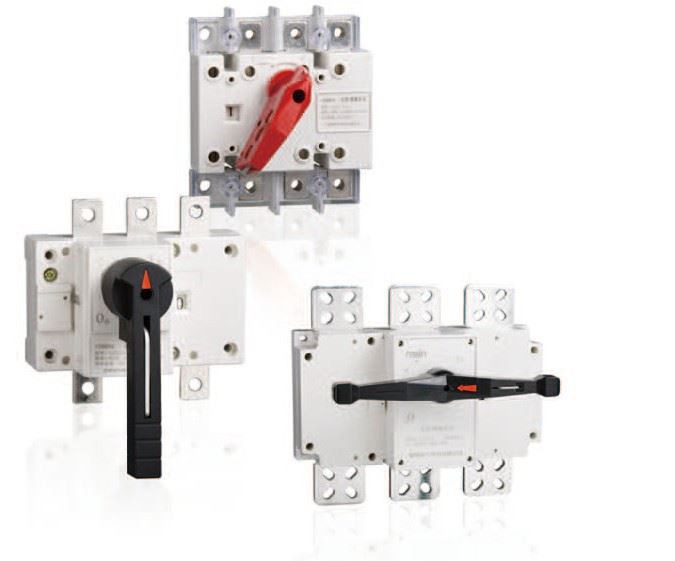
Isolator switches are commonly found in residential electrical systems, such as disconnecting power to water heaters, lighting circuits, or outdoor appliances. They provide homeowners with a reliable way to isolate circuits for maintenance or repairs.
In industrial environments, isolator switches ensure safety when working on machinery or electrical equipment. They are critical in large factories, power plants, or manufacturing facilities where high-voltage systems require careful management.
In solar panel systems, isolator switches are essential for disconnecting the solar arrays or inverters from the grid. This allows safe maintenance or emergency shutdowns, preventing electrical hazards during repairs.
Always ensure that isolator switches used in renewable energy systems are rated for DC circuits, as these systems operate differently than conventional AC systems.
Most isolator switches come with a visible break in the circuit when the switch is turned off. This feature ensures that technicians can visibly confirm that the circuit is disconnected and safe to work on.
To prevent accidental reconnection, isolator switches can often be locked out or tagged during maintenance. This feature is essential in industrial settings where multiple workers may be involved in the same electrical system.
Grounding and earthing are important safety features in isolator switches. These features provide a safe path for any stray electrical current to flow into the ground, reducing the risk of electrical shock during maintenance.
In hazardous environments, such as areas with wet conditions or high humidity, isolator switches provide an essential line of defense against electrocution. By completely isolating the electrical circuit, these switches prevent accidental shocks and keep workers safe.
Arc flashes can occur when electrical circuits are suddenly disconnected under load. Isolator switches are designed to handle these situations safely, preventing arcing and minimizing the risk of electrical fires.
Isolator switches play a crucial role in ensuring safety during electrical maintenance and repairs. They effectively disconnect circuits from the power supply, preventing electrical shocks and equipment damage. Understanding their function, types, and benefits helps in making informed decisions for safer electrical systems. Regular testing and maintenance are essential for reliable operation. Radin Electric offers high-quality isolator switches designed to meet safety standards and enhance the longevity of electrical equipment, ensuring protection for both personnel and systems.
A: An isolator switch is a manual device used to disconnect an electrical circuit from the power supply for maintenance or safety. Unlike load breaker switches, it does not handle overcurrent protection.
A: An isolator switch works by physically separating electrical contacts to break the current flow, ensuring that circuits are de-energized for safe maintenance or repairs.
A: An isolator switch disconnects power without handling live circuits, while a load breaker switch can safely interrupt current even when the circuit is under load.
A: Isolator switches are crucial for electrical safety, preventing accidental shocks during maintenance by fully disconnecting power from circuits.
A: It's recommended to test an isolator switch regularly to ensure it is functioning properly and safely, preventing any downtime or operational risks.