
- All
- Product Name
- Product Keyword
- Product Model
- Product Summary
- Product Description
- Multi Field Search
Views: 0 Author: Site Editor Publish Time: 2026-05-07 Origin: Site


Connecting a portable or standby generator directly to a home or facility without proper isolation is a critical safety hazard and electrical code violation. When power grids fail, facility managers and homeowners often scramble for quick solutions. However, bypassing standard safety protocols endangers lives and property.
Relying on extension cords restricts access to 240V appliances like well pumps and HVAC systems. Cords running across floors also introduce severe tripping hazards. More importantly, unregulated connections cause fatal backfeeding. This dangerous phenomenon pushes raw generator electricity back into utility lines, threatening the lives of line workers attempting to restore neighborhood power.
This guide will provide facility managers, homeowners, and contractors a definitive framework for evaluating, sizing, and selecting the right power isolation equipment. You will learn how to match amperage, choose the correct enclosure, and ensure secure, code-compliant power transitions. We intend to help you build a reliable backup system engineered for safety.
The Sizing Golden Rule: A manual transfer switch must be matched precisely to the largest outlet capacity of the generator (e.g., a 30A outlet requires a 30A switch).
Standard Imperatives: Safety hinges on UL 1008 certification and the appropriate NEMA enclosure rating for the installation environment.
Mechanical Reliability: Manual switches utilize simple mechanical interlocks, offering a lower failure rate and a more cost-effective implementation compared to automatic transfer switches (ATS).
Efficiency via Load Balancing: Proper installation requires balancing high-surge appliances across opposing electrical legs to maximize generator efficiency and prevent breaker tripping.
Electrical codes strictly prohibit unregulated backup power connections. Integrating a Manual Transfer Switch physically solves this problem through a foolproof mechanism known as a mechanical interlock. This safety feature physically prevents utility power and generator power from connecting simultaneously.
When you shift the switch into the generator position, the interlock forces the utility main breaker to disconnect. This absolute separation protects utility workers from lethal backfed voltage. If backfeeding occurs, high-voltage electricity travels backward through your street transformer. It steps up the voltage to thousands of volts. A lineman repairing a downed wire could face fatal electrocution. The mechanical interlock makes this scenario impossible.
Facility managers often weigh manual options against automatic transfer switches (ATS). Each serves distinct purposes based on budget, complexity, and urgency.
Understanding the operational differences helps buyers select the ideal solution for specific environments. We can evaluate these differences across three main categories:
Cost & Complexity: Manual switches require physical human intervention during an outage. You must manually flip the lever. However, they eliminate the need for expensive electronic voltage sensors and computerized controllers. This simplicity dramatically lowers upfront costs and reduces regular maintenance requirements.
Reliability: Complex electronics face higher risks of failure during severe weather events or power surges. Manual switches rely on heavy-duty mechanical parts. Fewer moving parts mean a substantially lower probability of failure during critical outages.
Application Fit: Manual mechanisms are ideal for residential portable generators, budget-conscious facilities, and remote off-grid locations. Automatic switching is unnecessary when personnel remain on-site to handle the transition safely.
Chart: Manual vs. Automatic Backup Solutions | ||
Feature Category | Manual Switches | Automatic Switches (ATS) |
|---|---|---|
Trigger Mechanism | Human operator required | Electronic sensor auto-starts |
Component Complexity | Simple mechanical interlocks | Complex relays and logic boards |
Maintenance Needs | Minimal (visual inspection) | Frequent (software, sensor testing) |
Typical Use Case | Homes, off-grid cabins, small retail | Hospitals, data centers, large commercial |
Sizing your equipment correctly dictates whether your backup system functions smoothly or constantly trips breakers. Proper evaluation begins by baselining your generator output. You cannot simply install a massive switch and expect infinite power.
A 30A generator plug mandates a 30-Amp switch. Upgrading your switch to 50A while using a 30A generator yields absolutely no extra power. It only wastes installation budget. You must align the switch rating to the maximum available output port on your portable or standby unit. Manual Transfer Switch configurations must mirror your power source precisely.
We must use an evidence-based approach to calculate electrical loads. Appliances behave differently during startup compared to normal operation. You must differentiate between continuous draw and high inrush current.
Continuous draw, or running watts, represents the energy required to keep an appliance running steadily. A standard refrigerator might consume 600W continuously. However, motor-driven appliances require a massive burst of energy to overcome physical inertia when starting. This burst is known as surge watts or inrush current.
A 1/2 HP well pump might only need 1000W to run smoothly. Yet, starting that same pump demands up to 2350W for the first few seconds. If your calculations ignore surge watts, your generator will stall instantly when the motor kicks on. Always tally the highest simultaneous surge watts when planning your critical circuits.
Table: Common Appliance Load Calculations | |||
Appliance Type | Average Running Watts | Estimated Surge Watts | Circuit Type Needed |
|---|---|---|---|
Refrigerator/Freezer | 600W - 800W | 1200W - 1600W | 120V (Single Pole) |
Well Pump (1/2 HP) | 1000W | 2100W - 2350W | 240V (Double Pole) |
Central AC (3-Ton) | 3500W | 10000W+ | 240V (Double Pole) |
Sump Pump (1/3 HP) | 800W | 1300W - 1500W | 120V (Single Pole) |
Scalability heavily influences hardware selection. Standard residential units typically handle 6 to 10 distinct circuits. These setups usually operate between 30A and 50A, covering basics like lighting, a furnace fan, and refrigeration.
Industrial applications present completely different challenges. Large manufacturing plants or commercial warehouses cannot rely on standard hardware. These facilities require customized panels handling anywhere from 800A up to 3000A. Commercial setups often incorporate three-phase power distribution, demanding heavy-duty busbars and specialized contractor installation.
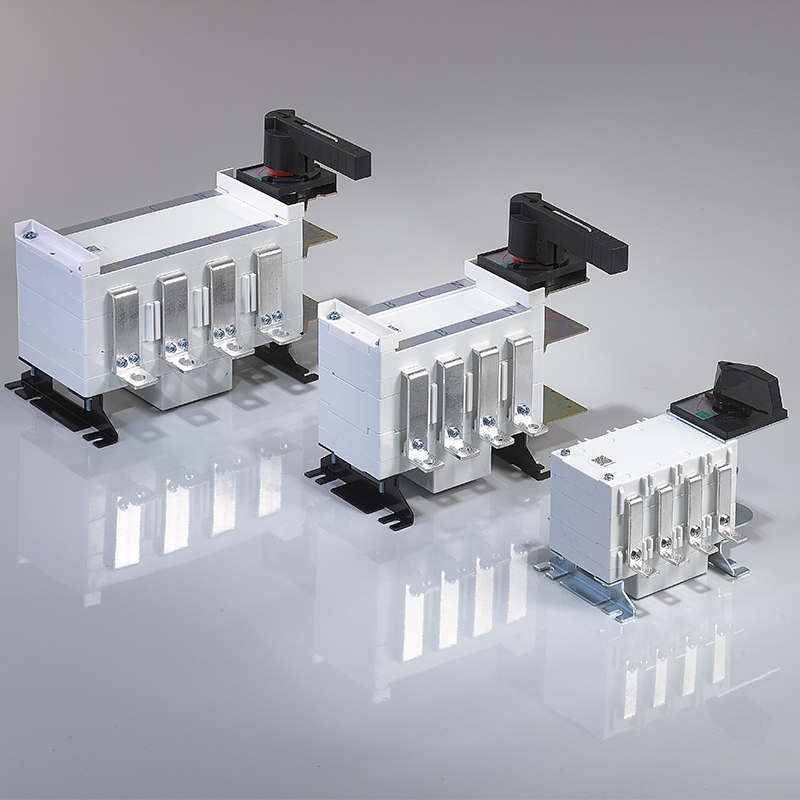
Buying uncertified electrical gear invites catastrophic fires and voids property insurance policies. Facility managers must demand strict adherence to national testing standards. The market offers various certifications, but they do not all provide equal protection.
Industry professionals universally recognize UL 1008 as the "gold standard" for backup power isolation. Underwriters Laboratories developed this testing protocol specifically to stress-test transfer mechanisms. A UL 1008 certified unit has endured grueling endurance trials. These devices are tested to withstand 10 times their rated current.
Furthermore, UL 1008 guarantees extreme short-circuit withstand capabilities. If a massive electrical fault occurs, the contacts will not weld together. Conversely, UL 98 only covers general enclosed switches. While UL 98 ensures basic safety for standard disconnects, it lacks the rigorous emergency-switching validation required for generator integration. Always verify UL 1008 compliance before purchasing.
You must map the enclosure type directly to the planned installation environment. Moisture, dust, and physical impacts quickly destroy sensitive electrical contacts.
NEMA 1: Recommend this rating exclusively for dry, indoor installations. Think basements, climate-controlled utility rooms, or finished garages. These boxes protect against basic dust and human contact but offer zero waterproofing.
NEMA 3R: Recommend this rating for outdoor, weather-exposed setups. NEMA 3R enclosures block rain, sleet, and snow from entering the cabinet. They feature overlapping doors and specialized drainage holes to prevent internal condensation buildup.
Modern building codes mandate Arc Fault Circuit Interrupter (AFCI) and Ground Fault Circuit Interrupter (GFCI) breakers in most living spaces. Integrating these modern safety breakers into a backup power system introduces technical hurdles.
Standard circuit setups often combine neutral wires. However, AFCI and GFCI breakers constantly monitor the balance between hot and neutral wires to detect tiny leaks. If your generator supplies power, but the neutral wire routes improperly, the GFCI breaker will immediately trip. You must use hardware featuring specifically designed neutral-wire configurations. The equipment must switch both the hot and neutral legs simultaneously to maintain leak protection when running on generator power.
Successful installation goes beyond buying the right box. You must design a logical, cost-effective physical layout. Professional electricians map out the entire energy journey before drilling a single hole.
A reliable setup involves several interconnected pieces of hardware. Missing any link compromises the entire safety chain. The standard hardware loop includes:
Generator: The primary power engine stationed safely outdoors.
Heavy-duty Power Cord: A thick, weather-resistant cable rated for maximum amperage.
Outdoor Power Inlet Box: A weatherproof receptacle mounted on the exterior wall.
Transfer Device: The interior mechanism managing the power route.
Main Electrical Panel: The home or building's primary circuit breaker box.
Location drastically impacts your total installation bill. Thick copper wiring costs a premium per foot. Locating the switch indoors directly next to the main panel minimizes these hardwiring costs. Short wire runs require less labor and fewer expensive materials.
However, an indoor switch mandates the installation of an external power inlet box. You cannot run a generator indoors or inside an attached garage under any circumstances. Carbon monoxide poisoning acts silently and fatally. The exterior inlet box ensures the generator remains safely outdoors while delivering power cleanly through the wall to the indoor switch.
Practical implementation requires a smart load balancing strategy. Portable generators produce 240V power by creating two separate 120V electrical phases, often called "legs." If you overload one leg, the generator engine struggles, vibrates violently, and eventually trips its internal breaker.
You must stagger high-wattage 120V and 240V appliances across adjacent selector switches inside the panel. For example, assign the kitchen refrigerator to Leg A and the basement freezer to Leg B. This strategy distributes the electrical draw evenly across the generator’s opposing phases. A balanced generator runs quieter, consumes less fuel, and delivers stable voltage to sensitive electronics.
Not all hardware is built equally. Generic brands flood online marketplaces offering dangerously cheap alternatives. Selecting a reliable vendor requires looking past the marketing jargon and verifying engineering credentials.
Premium manufacturers separate themselves through transparency and long-term support. First, demand transparent UL compliance documentation. A trustworthy Manual Transfer Switch manufacturer readily publishes their testing certificates online. Avoid companies hiding behind vague terms like "built to UL standards" instead of "UL Listed."
Second, review warranty terms closely. Backup power equipment sits idle for months but must perform flawlessly during severe storms. Look for comprehensive multi-year warranties. Finally, check the availability of replacement parts. A broken toggle switch should not force you to replace the entire metal cabinet.
Your purchasing strategy should align with your technical expertise and facility size. Solutions range from simple homeowner kits to massive industrial configurations.
Pre-wired Systems: These kits represent the best option for standard residential setups. They come from the factory with perfectly measured, color-coded wires already attached to the breakers. This design drastically reduces billed electrician hours, saving homeowners hundreds of dollars in labor costs.
Commercial Solutions: B2B buyers face stricter regulatory requirements. Facility managers should seek Manual Transfer Switch manufacturer networks offering advanced commercial features. Look for Three-Way configurations providing utility, generator, and specialized neutral buffer states. High-amperage facility needs also benefit from dedicated Generator Tap Boxes, which provide secure, ground-level connection points for massive rental generators during extended commercial outages.
A backup power setup is not a temporary plug-and-play accessory; it is a permanent electrical infrastructure upgrade. Ensuring smooth transitions requires rigorous planning, accurate load calculations, and uncompromising adherence to safety standards. By insisting on UL 1008 hardware and matching amperage capacities properly, you eliminate the threat of grid backfeeding.
Your next action step involves finalizing a total surge wattage audit. Walk through your facility or home and document the starting requirements for all critical motors. Once you calculate your maximum load, consult a licensed, code-compliant electrician. Professional installation preserves your home insurance policies, maintains appliance warranties, and guarantees your emergency power system deploys flawlessly when you need it most.
A: Yes, but it is limited by the generator's total capacity and the switch's amperage. Most users prioritize critical circuits like the refrigerator, well pump, and furnace rather than attempting to power whole-house loads simultaneously. Powering an entire home usually requires a heavy-duty commercial switch and a massive standby generator.
A: While pre-wired kits simplify the physical wiring process, tying into a main breaker panel carries lethal electrical risks. You must navigate live busbars and complex grounding rules. Installation by a certified electrician is highly recommended to ensure strict National Electrical Code (NEC) compliance and maintain homeowner insurance validity.
A: Industry best practice suggests running a full mechanical transition and generator load test at least twice a year. You should perform these tests well before peak storm seasons arrive. Regular testing lubricates the engine, verifies switch contacts, and ensures you remember the proper connection sequence during an actual emergency.